Ground-Mount Solar Installation in Orlando, FL

Solar Installers Orlando connects homeowners with local contractors who design and install ground-mounted solar panel systems. The installer assesses your yard, plans the foundations and electrical connection, and prepares a quote for your home.

Ground-Mount Solar Systems

Trees shade your roof, or there’s room for only a few panels between vents and roof slopes. A sunny part of your yard can give you space for a ground-mounted system. A contractor from our network can show you where the panels would go, how much electricity they could produce, and how the system would connect to your home.

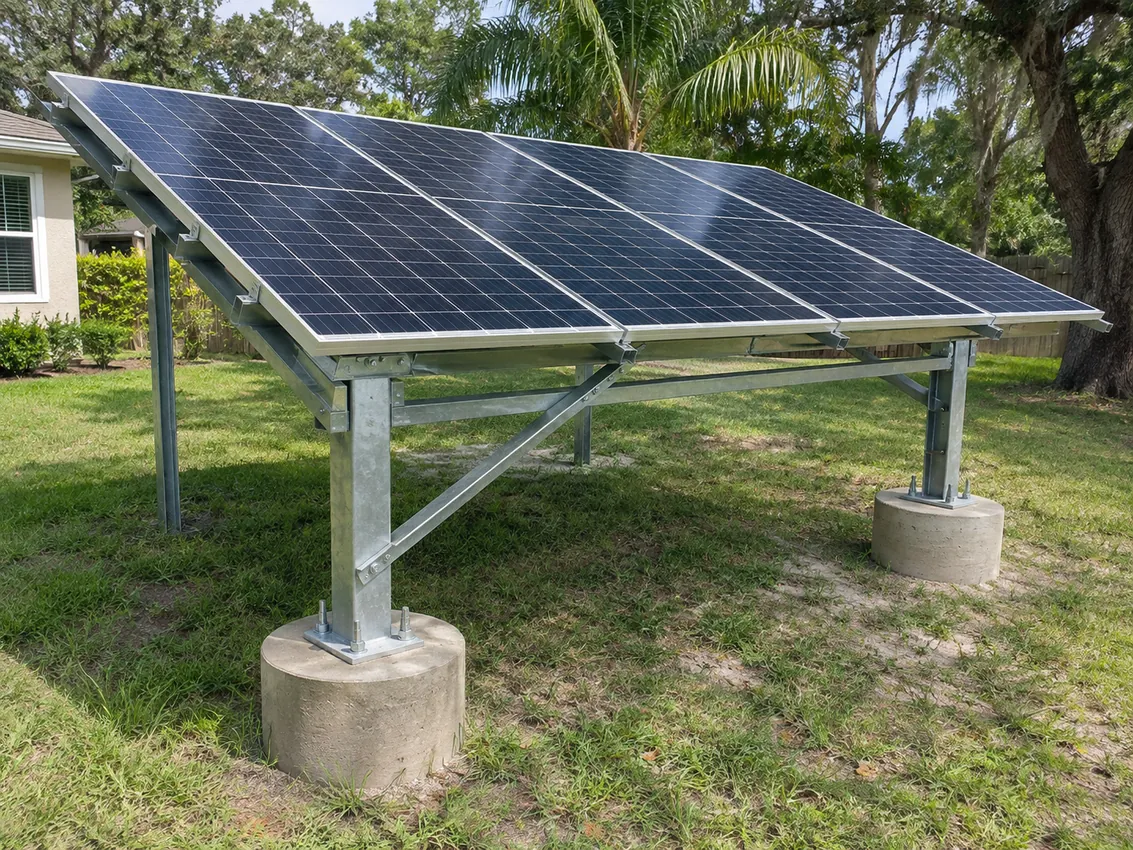
Steel solar mounting posts bolted to round concrete piers
Concrete piers support the steel rack in this layout.

Ground-Mount Foundations and Wiring

  • Panel layout and access. The installer checks which part of the yard gets sun, how many panels will fit there, and how the crew can bring in equipment.
  • Racks and foundations. The panels sit on a rack anchored to foundations chosen for your soil, drainage, and site wind loads.
  • Trenching and wiring. The installer plans the cable route back to the house. The quote can show where the crew would dig and whether putting back sod or repairing a driveway is included.

Ground-Mount Solar Site Assessment

Start with your street address and the part of the yard you’re considering. If you have a photo or a property survey, share it with the installer. Point out the nearest gate or driveway, where the electric meter sits, and any irrigation or other lines you know about.

Cost and Assessment

This guide shows a typical process. The steps, scope, and timing can vary by project and by the contractor from our network that you work with.

  1. Site sketch and electric bill laid out on a table beside the yardShare Your Yard Layout and Electric Bill. Mark one or two places for the panels, note how crews would reach them, and share a recent bill so the installer can see how much electricity you use.
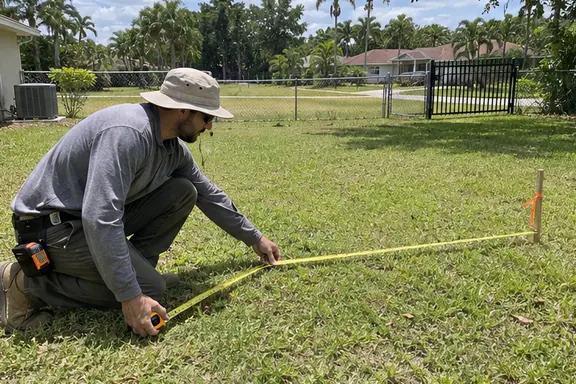
  2. Contractor measuring the lawn for a ground-mounted arrayReview the Site Assessment. The installer checks shade, yard access, soil and drainage, then explains where the panels and trench could go. Confirm whether the site visit or estimate has a fee.
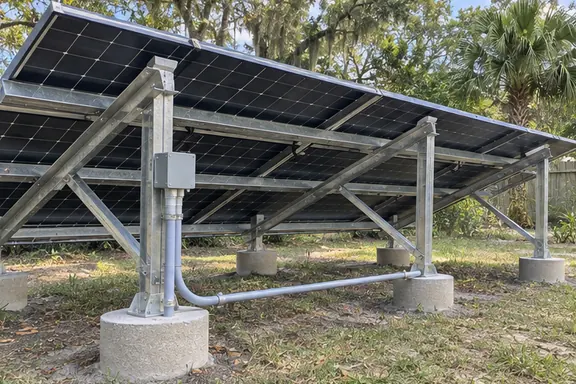
  3. Steel solar rack on concrete piers with conduit beneath the panelsReview the Installation Quote. Look for the panels, inverter, rack, foundations, trenching and electrical connection. Confirm which permits, fees and yard repairs are included in the price.
  4. Two people reviewing a drawing beside a trench in the yardAgree on the Work Before Digging. Review the route and what the crew will restore. Ask how you’ll be told about extra work and what it will cost if the crew finds an obstruction or unsuitable soil.

Ground-Mount Solar Installation FAQs

Is ground-mounted solar cheaper than rooftop solar?

Foundations and trenching can add to a ground-mount quote. The comparison can look different if your roof needs work or only a small section gets good sun. Ask for quotes at a similar system size and compare yearly electricity production, the installed cash price, and what each quote covers for roof work or yard restoration. See how rooftop solar quotes are scoped

Can I put solar panels on the ground instead of my roof?

Yes, if you have sunny space in the yard and a route to connect the panels to your home. The installer can check where foundations would fit, whether equipment can reach that part of the yard, and which permits apply at your address.

How much yard space do ground-mounted solar panels need?

The installer can show you the space needed on a site sketch. Ask for the panel rows, the gaps that keep one row from shading another, and the space you’ll need to leave around the system for setbacks, drainage and maintenance.

Is my yard a good fit for a ground-mounted system?

Start with the patch of yard you had in mind. See when trees shade it, where water sits after a heavy rain, and whether a crew could get equipment through the gate. The installer can use a property survey to see how much room is left for panels once setbacks and easements are accounted for.

Mark on your sketch What it helps the contractor assess
Trees and open space Shade across the day, room for the rows and access around them.
Low spots and slopes Where water collects after heavy rain and whether the layout needs grading or a different location.
Boundaries and easements How much space remains after any setbacks and areas reserved for utility or other access.
Driveway, gates and meter Whether equipment can reach the site and how the wiring can return to the house.

Example of a sunny yard with a long cable route

A sunny spot at the back of your yard might fit more panels. A closer spot may need less trenching and get more afternoon shade. Ask the installer to show both layouts, how much electricity each could produce in a year, and what it would cost to run the wiring and restore the yard.

How are ground-mounted panels supported?

The installer chooses a rack to hold the panels at the planned height and angle. Supports such as concrete piers or driven posts anchor that rack to the ground. The choice depends on what the soil can support, where rainwater drains, and what the design needs to withstand local winds. Ask whether the price includes engineering, site preparation and any soil checks the contractor needs. U.S. Department of Energy guidance on solar installation and foundations

How does the array connect to the house?

Ask to see where the wiring would run from the panels to your home. A route through the lawn is a different job from one that crosses a driveway or walkway. Ask the installer to show the trench length, crossings, and where the wiring will sit in conduit. Confirm who arranges utility marking and who locates private irrigation or electrical lines to a pool or shed. Sunshine 811 guidance on private lines

Get the restoration work in writing before digging starts. Ask whether the crew will fill the trench, replace sod, repair paving or reconnect irrigation. Keep enough room around the finished system to mow and reach the panels for maintenance.

Who handles permits for a ground-mounted system?

Your street address tells the contractor which permit office handles the job. Ask the installer to check how far the panels must sit from property lines and whether easements affect the layout. Unincorporated Orange County requires a building permit first and an electrical sub-permit after it’s approved. If the system will connect to the grid, also confirm who submits the utility application. Orange County solar submittal checklist

Get a Solar Quote

Share a few details about your Orlando property so a contractor from our network can prepare you a custom quote.

Residential Solar Quote

Step 1 of 2

Where Is the Property?

Enter the street address where you need the work done. Select a match or fill in the city, state, and ZIP code yourself. Then select Continue.