Solar Battery Installation in Orlando, FL

Solar Installers Orlando connects homeowners with local contractors who install home battery backup. Your installer checks your electrical panel and any existing solar equipment, sizes the battery, and prepares a quote for your home.

Home Battery Backup

When a storm knocks out the power, your fridge, lights, and Wi-Fi can all go off at once. A home battery can keep the circuits you choose running. A contractor from our network can size the system for the equipment you want to power and estimate how long it could run.

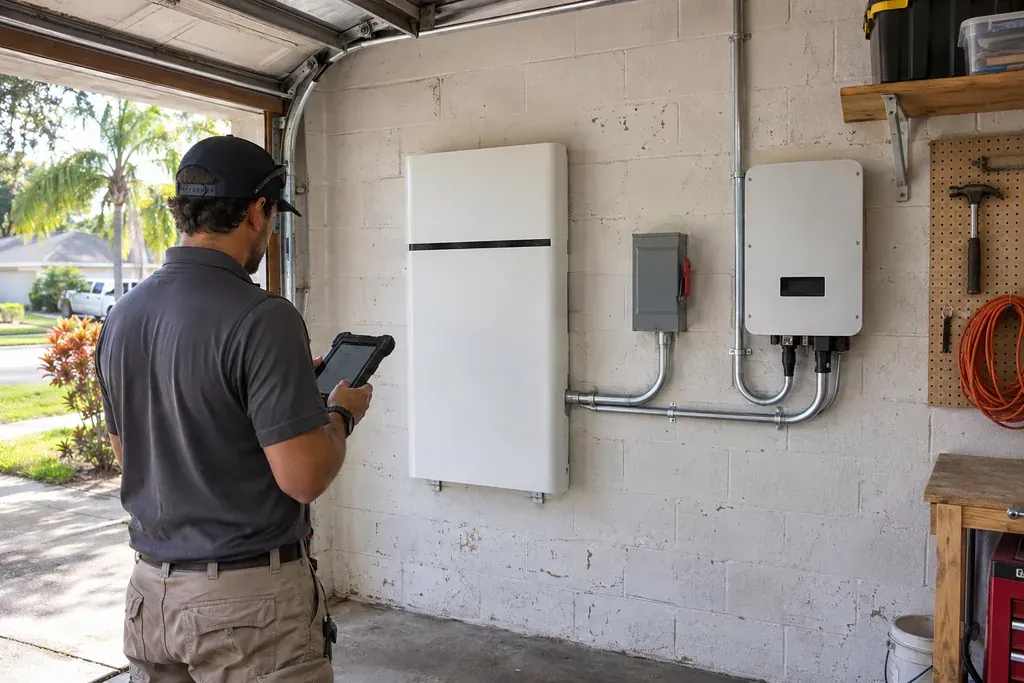
Technician checking a garage-mounted battery and separate inverter
In a retrofit, the battery and inverter need to work together.

Battery Backup Circuits

  • Backup circuits. Start with the fridge, a few lights, and the outlet that powers your router. Tell the installer if you also want central air to run during an outage.
  • Battery size and runtime. The installer checks what might run together, how much power those appliances draw, and how much stored energy they’ll need over several hours.
  • Installation and connection. The installer checks where the battery can go, what your electrical panel needs, and how to connect the backup circuits. If you have solar panels, they can check whether your inverter can stay and whether your panels could recharge the battery in an outage.

Home Battery Backup Quote

Start with your home address, what you want to keep running in an outage, and for how long. If you already have solar panels, include the inverter make and model from the label or your installation paperwork.

Installation, Permits and Utility Coordination

This guide shows a typical process. The steps, scope, and timing can vary by project and by the contractor from our network that you work with.
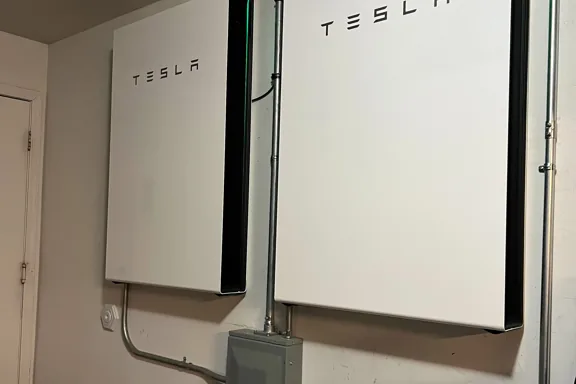
  1. Two Tesla Powerwall 3 batteries mounted indoors with conduit and a disconnect boxChoose the Battery Location. The contractor checks where the unit can be mounted, how much clearance it needs, whether it will be exposed to weather, and how wiring will reach the panel.
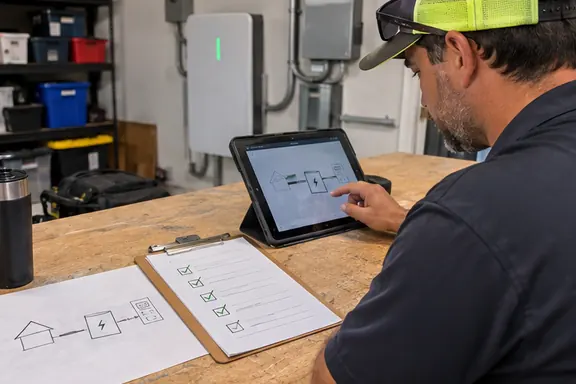
  2. Contractor reviewing a battery wiring diagram and checklist at a workbenchConfirm Approvals and Install the Battery. Confirm who handles permits, inspections, and any utility paperwork for your address. The installer mounts the battery, connects the backup controls and circuits, and makes any electrical changes listed in the quote.
  3. Technician checking backup status beside a battery and powered lampTest Your Backup Power. The installer can show you which circuits stay on during an outage test, how the system switches back when grid power returns, and where to see the battery charge and reserve setting.

Solar Battery Installation FAQs

Can I add a battery to my existing solar panels?

You may be able to keep your panels when you add a battery. Send the contractor your inverter model and solar system size. They can check which equipment is compatible, what needs to be added or replaced, and whether the panels can work during an outage.

How much does it cost to add a battery to existing solar?

The price depends on how much backup time you want, what you need to run, and whether your existing inverter or electrical panel needs work. Ask for a price that lists the battery and shows any extra work needed to connect it to your system.

How long can a solar battery run my home during an outage?

It depends on what’s running and how much charge the battery has when the power goes out. Ask for an estimate for essentials like the fridge and lights, then ask what changes if you add central air. The installer also needs to check whether the system can start the AC.

Can my solar panels recharge the battery during an outage?

Yes, if your solar inverter and battery are set up to work together while the grid is down. How much they can recharge depends on the sunlight available and how much electricity your home is using at the same time. U.S. Department of Energy on solar and resilience.

What can a home battery keep running?

Decide what needs to stay on while you wait for power to come back. A fridge, some lights and a router call for a different setup than central air running alongside them. Kilowatts (kW) show how much power the system can supply at one time. Usable kilowatt-hours (kWh) show how much energy the battery can supply over time.

Backup planning worksheet

  1. List the Essentials. Note which appliances you want to keep running and how many hours they’d need power. A fridge cycles on and off, so it only draws its running power for part of that time.
  2. Flag What Runs Together. Tell the contractor if the AC, fridge or other equipment could be running at the same time so they can account for the power needed to start each one.
  3. Get a Runtime Estimate. Ask the contractor to use your list and show how the estimate changes if the battery is partly charged when the power goes out.

Illustrative four-hour backup estimate

Appliances that average 2 kW for 4 hours use 8 kWh. In this example, the battery starts full with 10 kWh of usable energy on the battery side. Leaving 1 kWh in reserve and assuming 90% of the energy drawn reaches the circuits gives you (10 − 1) × 0.90 = 8.1 kWh for the appliances. That leaves very little margin. The example assumes no solar recharge. Your runtime also depends on starting charge and actual use. Ask the installer to check that the inverter can cover brief increases in demand, such as when a motor starts.

Can I keep my existing inverter when I add a battery?

If you already have panels, share the inverter model, the age and size of the solar system, and any installation or monitoring records. The contractor can tell you which equipment can stay and whether the battery needs its own inverter or an upgrade to your existing setup. If you lease the panels, ask the equipment owner what they need to approve before work begins.

If you want the panels to recharge the battery during an outage, raise that before the installer quotes the job. The installer can check whether the inverter and backup equipment will work together while your home is disconnected from the grid. U.S. Department of Energy guide to solar and resilience

How do I choose a compatible battery and the right size?
Backup scope What to confirm
Essential circuits Which circuits stay powered, how they’re connected and how long they can run at the estimated load.
Whole-home backup Which appliances can actually run together, which may need to switch off during an outage and whether large motors can start on backup power.

Ask for the battery’s usable kWh and the power the system can supply continuously and for a short burst. This helps you see how long the battery could last and whether it can start a large appliance. For a system that can recharge from solar during an outage, ask for two estimates: battery alone and battery with the expected solar recharge.

What should an installed battery quote include?

Ask for a written installed price that lists the battery and its usable capacity, the inverter or backup controls, wiring, labor, and any permit or utility fees. If the job needs a subpanel, main panel upgrade, or replacement inverter, ask for that cost separately. Compare quotes for the same circuits and backup time, and find out who you’d call for warranty service.

Get a Solar Quote

Share a few details about your Orlando property so a contractor from our network can prepare you a custom quote.

Residential Solar Quote

Step 1 of 2

Where Is the Property?

Enter the street address where you need the work done. Select a match or fill in the city, state, and ZIP code yourself. Then select Continue.