

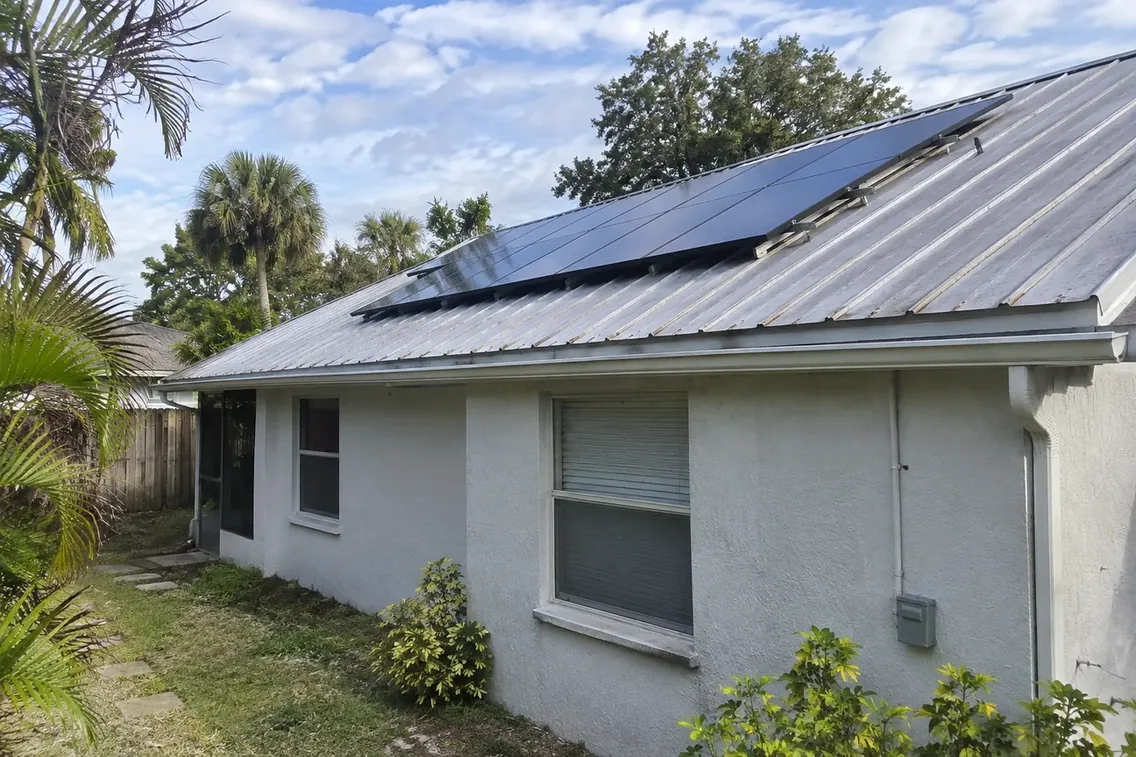
- Free estimates and inspections Some contractors in our network offer a free estimate, inspection or cost comparison for eligible homes. Ask whether the free estimate includes a roof visit and when you’ll get a written price.
- Flexible financing, including $0 down Some contractors offer $0 down for eligible homeowners, subject to approval and lender terms. Ask what you’d pay over the full loan term, including interest and fees, and compare it with the cash price. Compare solar quote and financing costs.
- 20-year workmanship warranty Some contractors offer this coverage on eligible installations. Ask for the written terms, especially who you call if a leak develops around a solar mount.
- Battery backup for storm outages A battery system designed for backup can keep selected circuits on. Tell the installer whether you need the fridge and Wi-Fi, or larger loads like central air, so they can estimate how long a battery would last. Explore solar battery backup.
Eligible systems may earn utility bill credits for excess solar power sent to the grid. See how local utility approval and bill credits work.
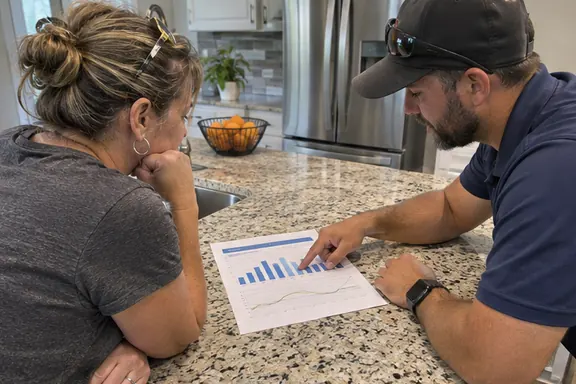 Review Your Electric Bills. Share up to 12 months of electricity use in kWh. Tell the installer if you plan to add an EV charger or make another change that will affect how much power you use.
 Review the Roof and System Design. The contractor checks your roof, shade, wind and structural requirements, and electrical panel. You can review the panel layout, the estimated yearly output and an itemized price before approving the job.
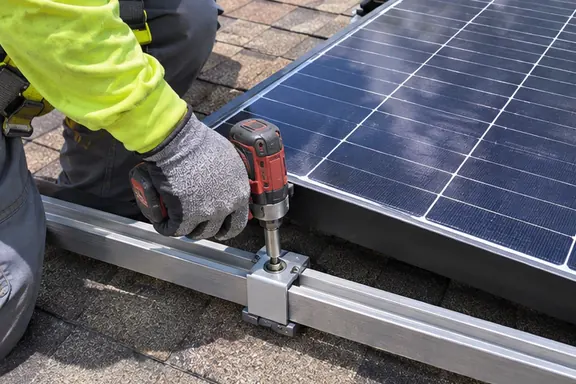 Permits and Installation. Confirm who files for permits and utility approval and who pays the fees. Once the required approvals are in place, the installer mounts the panels, sets up the inverter, and completes the wiring.
 Inspection and Activation. The permit office inspects the work. For a grid-connected system, activation follows utility permission to operate. Ask the installer to show you the monitoring app so you can see what your panels are producing.